Breast cancer is the most common cancer for women in the nation, with over 300,000 new cases expected to be diagnosed this year. While the narrative for breast cancer early detection centers around mammograms, the gold standard for diagnosis, clinicians have tapped into enhancing radiology and X-ray imaging using artificial intelligence (AI). This AI-enhanced approach has significantly improved our ability to detect tumors early, changing the lives of many women.
While remarkable, we now understand that the intricacies of breast cancer lie beyond just identifying the tumor with mammograms and understanding the disease at the cellular level. This has led to important discoveries in genetic testing and targeted treatments for specific breast cancer subtypes, such as HER2-positive breast cancer. However, mammograms and genetic tests may not be enough to safely and effectively treat each individual patient.
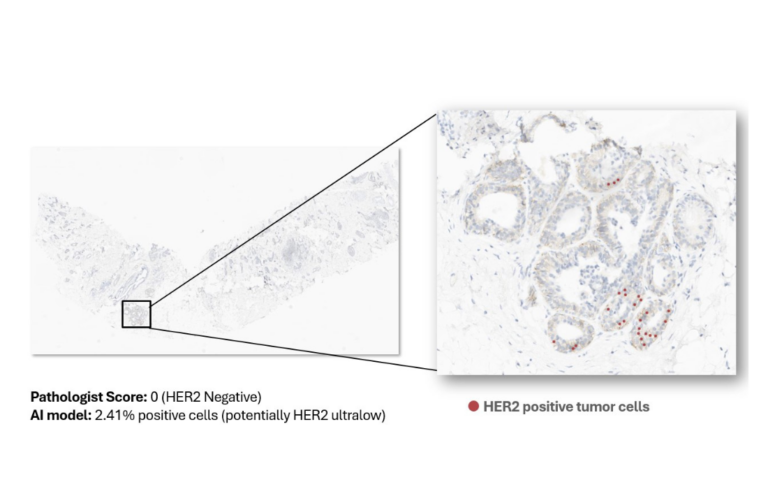
Because every person’s cancer biology is unique, we need methods that can dig deeper beyond binary detection i.e., biomarker-positive or biomarker-negative. To address these challenges, spatial artificial intelligence (AI), which maps, analyzes, and interprets the complex cellular interactions within breast tumor biopsies can lead to improved clinical decision-making and better-targeted therapeutic interventions beyond conventional diagnostic and screening techniques.